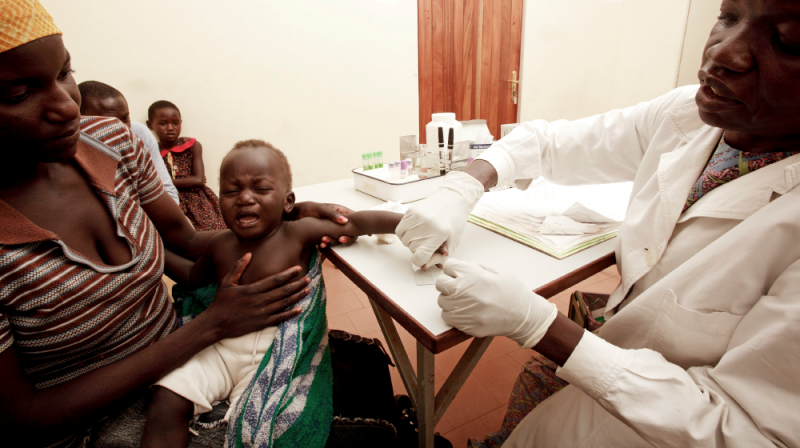
In 2025, Georgia, Suriname, and Timor-Leste were newly certified as malaria-free, bringing the total number of WHO-certified malaria-free countries and territories to 47 countries and 1 territory.
According to WHO estimates, since 2000, global efforts have prevented 2.3 billion malaria cases and 14 million deaths, and in 2024 alone, 1 million lives were saved

Despite this progress, the fight against malaria is far from over. In 2024, approximately 282 million people were infected with malaria, and 610,000 died—an increase of roughly 9 million infections compared to 2023. The burden remains especially high among low- and middle-income countries and vulnerable populations, with approximately 95% of malaria deaths occurring in Africa and the majority among children under the age of five. In this context, WHO Director-General Dr. Tedros Adhanom Ghebreyesus expressed concern, stating, “New tools for malaria prevention are giving us new hope, but we still face significant challenges.”
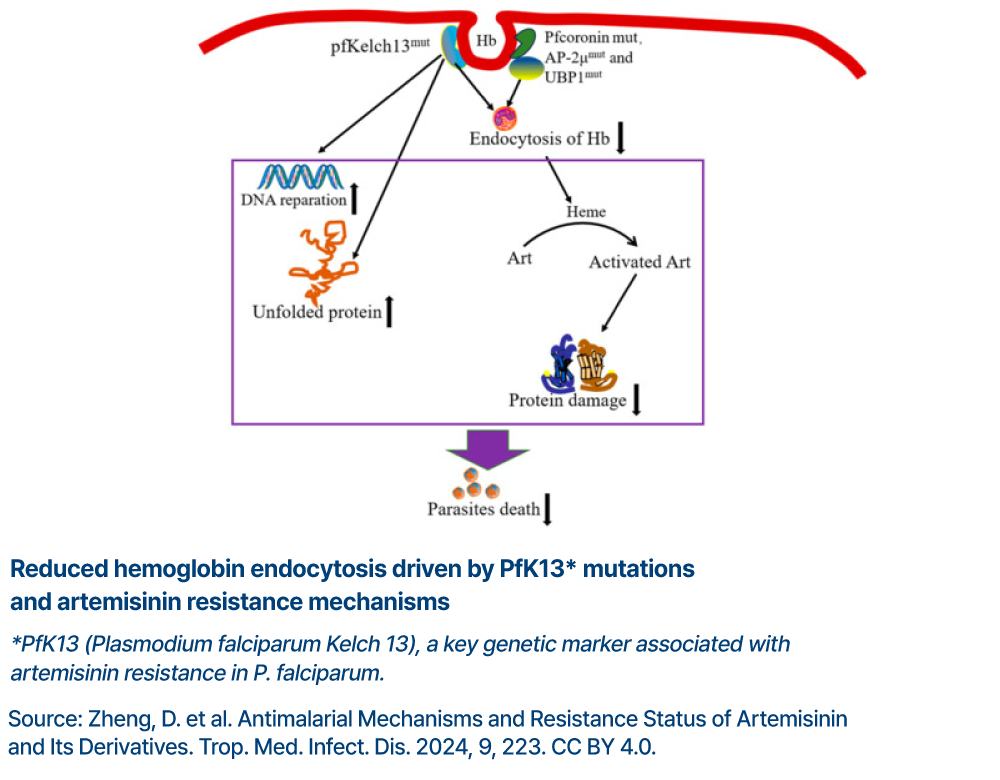
The problem of drug resistance is also intensifying. Partial resistance to artemisinin, the key drug in artemisinin-based combination therapy (ACT)—the standard treatment for malaria—has been confirmed or suspected in several African countries, and there are signs that the efficacy of partner drugs used alongside it is also declining. This underscores the urgent need for the development of new treatments.
Yet funding to address these challenges is shrinking. In 2024, approximately $3.9 billion was invested in malaria response—less than half of the $9.3 billion WHO estimates is required. With a global trend of foreign aid cuts emerging in 2025, concerns are growing that progress in malaria control could stall or be reversed.
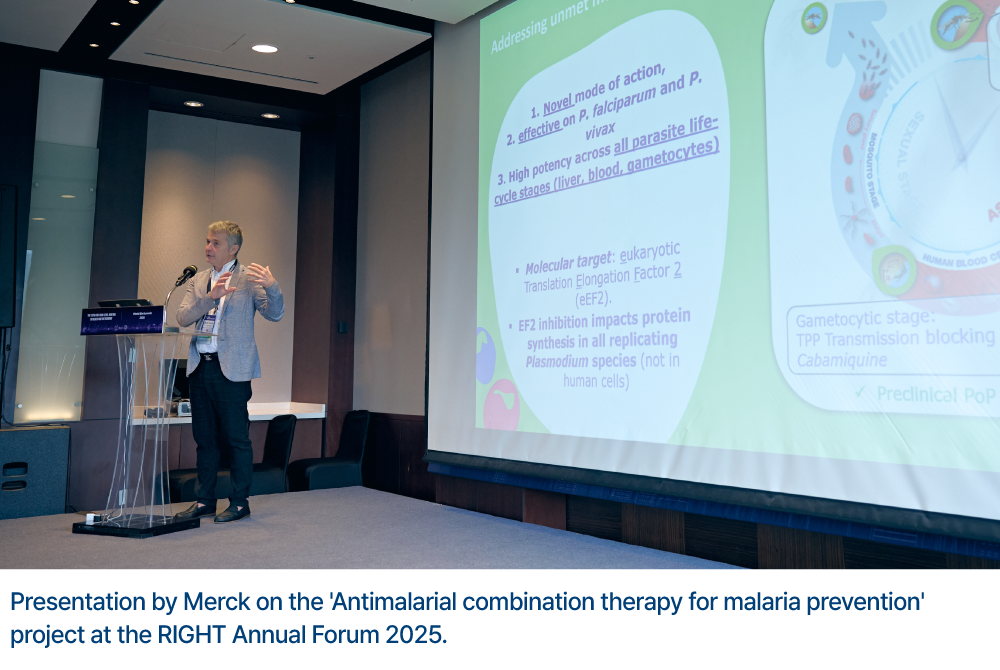
The RIGHT Foundation has remained committed to supporting malaria elimination since its establishment, prioritizing investments in the research and development of therapeutics and diagnostics that can rapidly address the needs of end users. Since 2023, the Foundation has supported the development of new non-artemisinin-based treatments to address emerging artemisinin resistance.
Notable achievements have been made in diagnostics. SD Biosensor’s 2nd generation G6PD test (STANDARD G6PD), supported by the Foundation, achieved WHO Prequalification (PQ) certification. and has also been adopted in national malaria control programs in Thailand and Brazil.

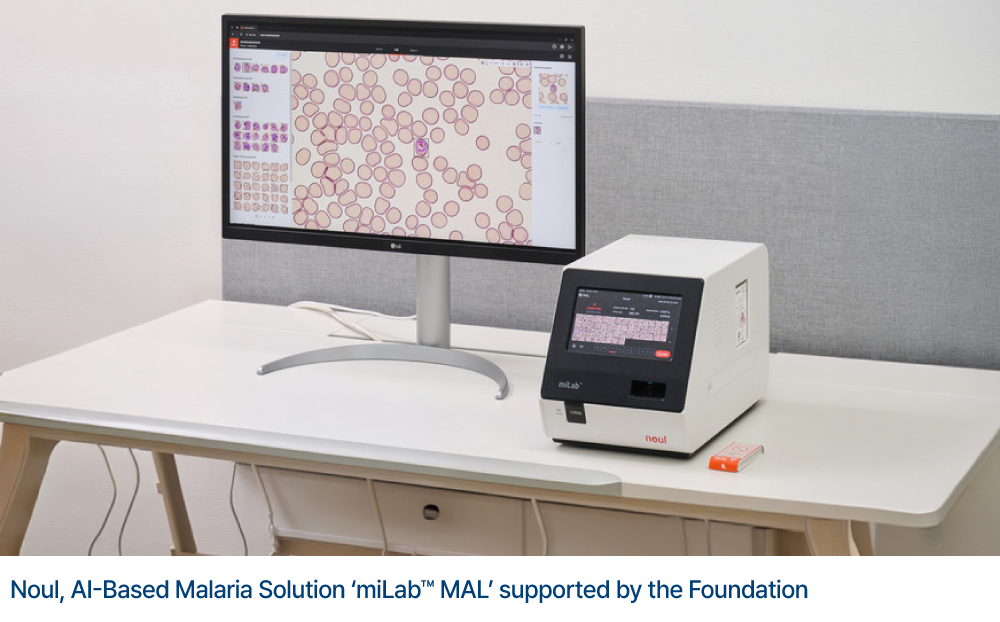
Noul’s AI-driven all-in-one diagnostic platform, miLab™, supported by the Foundation, has completed U.S. FDA product registration and secured a three-year public procurement contract worth approximately KRW 6.3 billion with the government of Benin, while expanding into the Middle East and Latin America.
[RIGHT Foundation`s Malaria R&D Portfolio]
Therapeutics
- Development of a treatment for severe malaria
- Process Optimization for Malaria Therapy
- Antimalarial Combination Therapy for Malaria Prevention
- Novel Route of Synthesis of Antimalarial Drug
Diagnostics