
Respiratory syncytial virus (RSV) is a common respiratory virus worldwide and often causes symptoms similar to the common cold. In healthy adults, the illness usually resolves on its own within one to two weeks. However, in infants, and young children, and, as well as older adults, RSV can lead to serious respiratory disease.
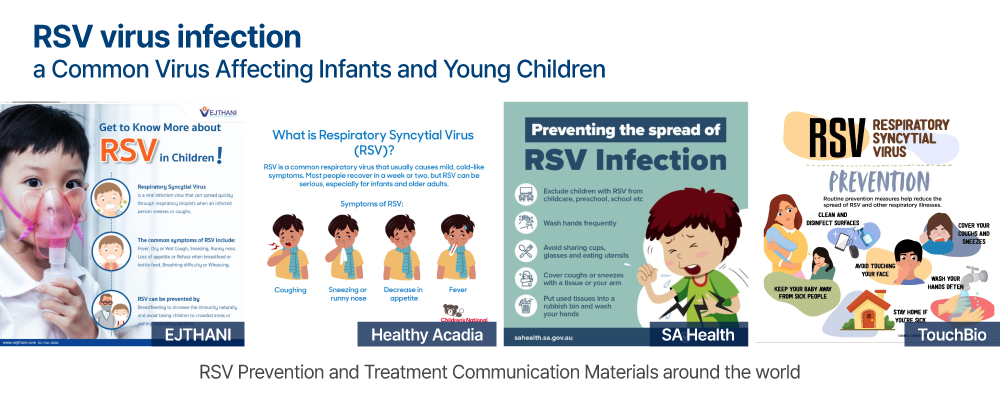
RSV is very common in infants, and most children are infected at least once within the first two years of life. According to the World Health Organization (WHO), more than 3.6 million children under the age of five are hospitalized each year due to RSV, and around 100,000 die from the infection. About 97% of these deaths occur in low- and middle-income countries(LMICs), where access to adequate medical care is often limited.
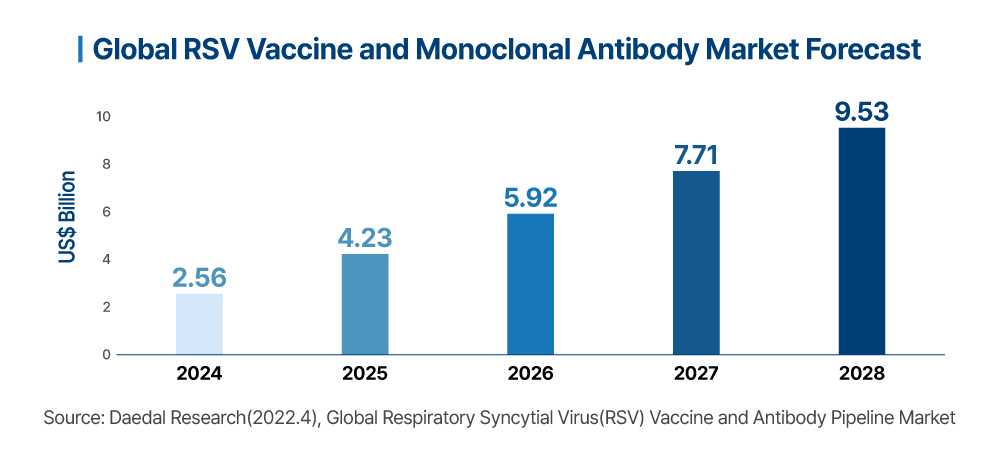
After the COVID-19 pandemic, an “Immunity Gap” has emerged, and global RSV cases are expected to continue increasing in the coming years. In response, leading pharmaceutical companies are actively developing vaccines to prevent RSV.
Currently, RSV prevention strategies focus on two main approaches:
- Monoclonal antibody protection for infants after birth
- Maternal vaccination for pregnant women in during late pregnancy
In response to this need, the RIGHT Foundation(RIGHT) has decided to support KRW 4billion(approx. USD 2.6 million) in RSV R&D through a Product Development Award. Through this project, SK bioscience will develop an affordable RSV treatment using a monoclonal antibody. The project includes early-stage clinical trials of a monoclonal antibody(mAb) candidate, RSM01.
Compared with existing RSV preventive antibodies, RSM01 is expected to provide improved efficacy and longer-lasting protection. The goal is to provide sustained protection throughout the RSV season with a single dose.
This project is significant as it represents the RIGHT Foundation’s first R&D grant for monoclonal antibody therapeutics. Unlike vaccines, which require time to induce an immune response, mAb treatments provide immediate preventive and therapeutic effects upon administration.
They are increasingly recognized as an important tool in global health, particularly for vulnerable populations, including newborns, older adults, and individuals with weakened immune systems. Furthermore, their potential application in diseases such as severe malaria is gaining attention, positioning them as a promising strategy for responding to future pandemics.
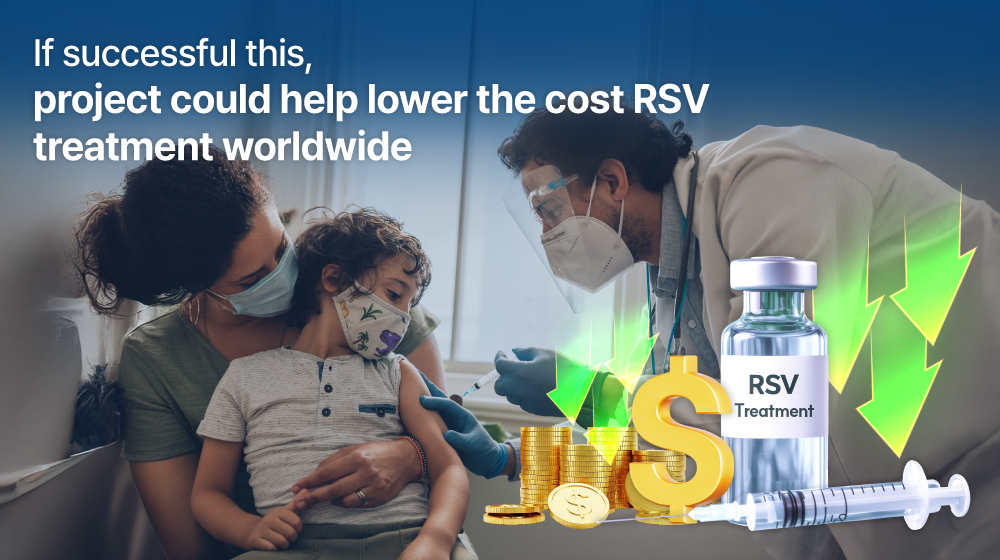
If successful, the development of an affordable RSV
treatment could expand access to LMICs and significantly reduce RSV-related
deaths among infants and young children.